

February 18th, 2026
EverEx at APTA CSM 2026: RTM Beyond the Visit
Recap of EverEx at APTA CSM 2026 — key conversations about Remote Therapeutic Monitoring and how PT clinics are extending patient care between visits.
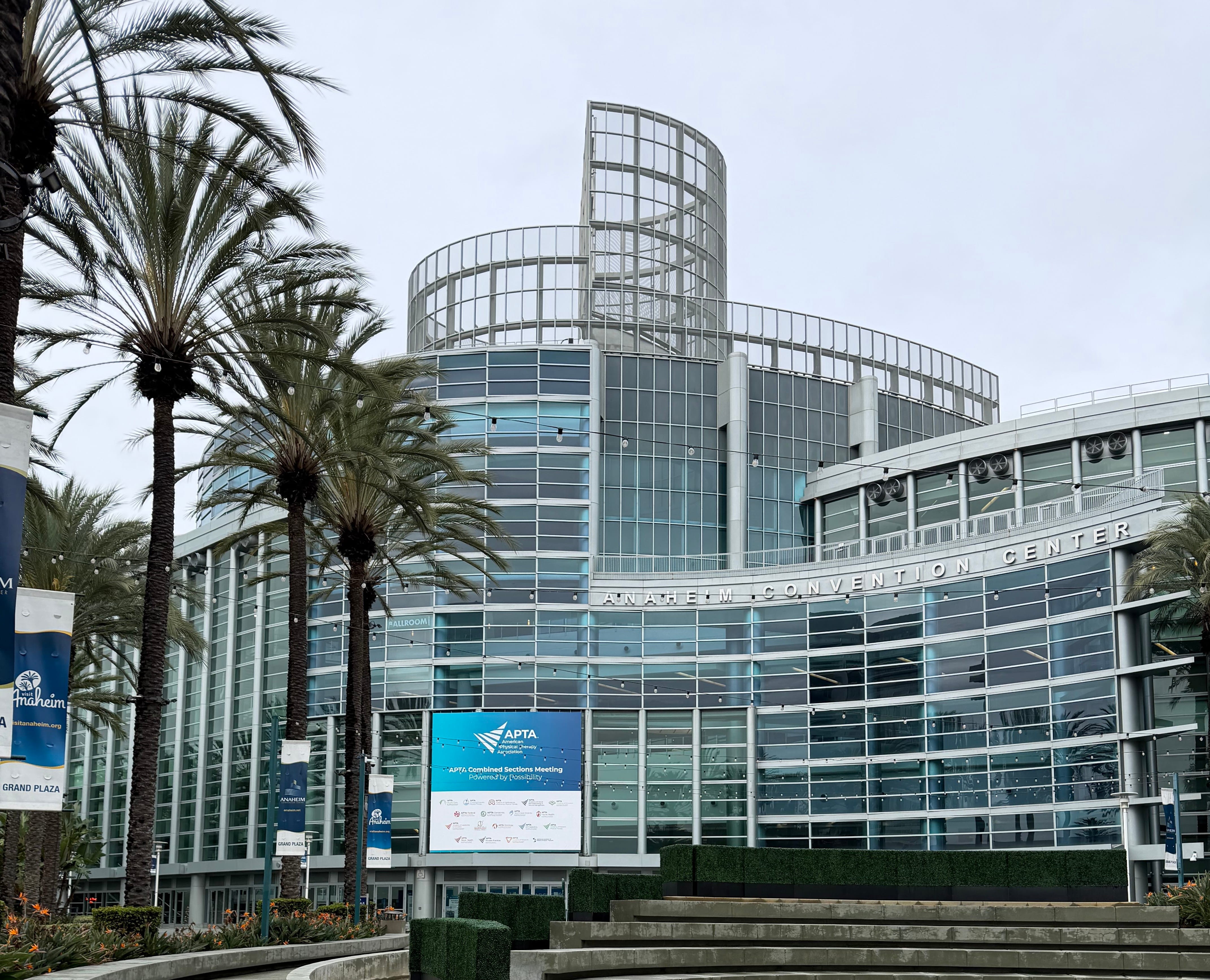
The American Physical Therapy Association Combined Sections Meeting 2026 brought thousands of clinicians, clinic owners, and innovators to Anaheim. After several days at APTA CSM, one theme rose above the rest.
Care is expanding beyond the clinic visit.
The conversations were focused. Practical. Forward looking.
Three priorities surfaced again and again:
Behind each discussion was the same question.
How do we improve outcomes between visits without increasing clinician burden?
Episodic care alone is no longer sufficient.
Clinicians shared a common reality. Patients leave motivated. Then life happens. Follow through becomes inconsistent. Visibility disappears.
At CSM, extending care beyond the clinic was not positioned as innovation for its own sake. It was positioned as responsible care design.
Digital tools were discussed as structured extensions of the clinical plan. Not replacements for in person visits. Not distractions from care. Extensions.
The goal is continuity. Reinforcement. Accountability.
That is where Remote Therapeutic Monitoring (RTM) entered many conversations. For some, RTM was already part of their model. For others, it was a new concept.
For a deeper look at how RTM supports structured engagement between visits, we explored this in detail in our guide on how Remote
Therapeutic Monitoring is transforming physical therapy.
The message was consistent.
Care does not end at discharge from the appointment.
Patient adherence was not discussed abstractly. It was discussed as the lever.
Stronger adherence leads to better outcomes. Better outcomes support retention. Retention stabilizes revenue.
Clinicians were clear about the challenge. Engagement outside the clinic is difficult to maintain without adding administrative complexity.
The innovation showcased at CSM reflected a broader shift in digital health. Tools are evolving to be more intuitive. More measurable.
More aligned with existing workflows.
The emphasis is shifting toward empowering patients to take control of their recovery in their own environment. We previously examined how this works in practice in our article on how RTM empowers patients to take control of their pain journey.
The objective is simple.
Make engagement measurable. Make progress visible. Make recovery participatory.
Revenue was discussed openly at CSM. The tone was pragmatic.
Clinic owners are navigating staffing constraints, reimbursement pressure, and rising operational costs. Growth is no longer about adding more visits. It is about increasing the impact of each episode of care.
RTM became a focal point in that discussion.
The introduction of new RTM CPT codes generated meaningful interest, particularly among clinicians who were unfamiliar with Remote Therapeutic Monitoring. Many were surprised to learn that structured engagement between visits can be reimbursable when implemented appropriately.
The recent CMS updates further clarified this opportunity. We break down the operational implications in our analysis of the 2026 CMS
Final Rule and its impact on Remote Therapeutic Monitoring reimbursement.
What stood out most was not curiosity about billing mechanics. It was curiosity about sustainability.
How does this integrate into workflow?
How does it avoid adding burden?
How does it support clinical quality?
Those questions signal maturity. Digital health is no longer experimental. It is operational.
The most compelling innovation at CSM was not flashy technology. It was purposeful design.
The solutions gaining traction were those that:
This momentum mirrors themes from PPS 2025, where digital physical therapy moved from discussion to operational priority. Those takeaways are captured in our recap of Front & Center at PPS 2025.
The direction is clear.
Digital health in physical therapy is maturing. The focus is not replacement. It is reinforcement.
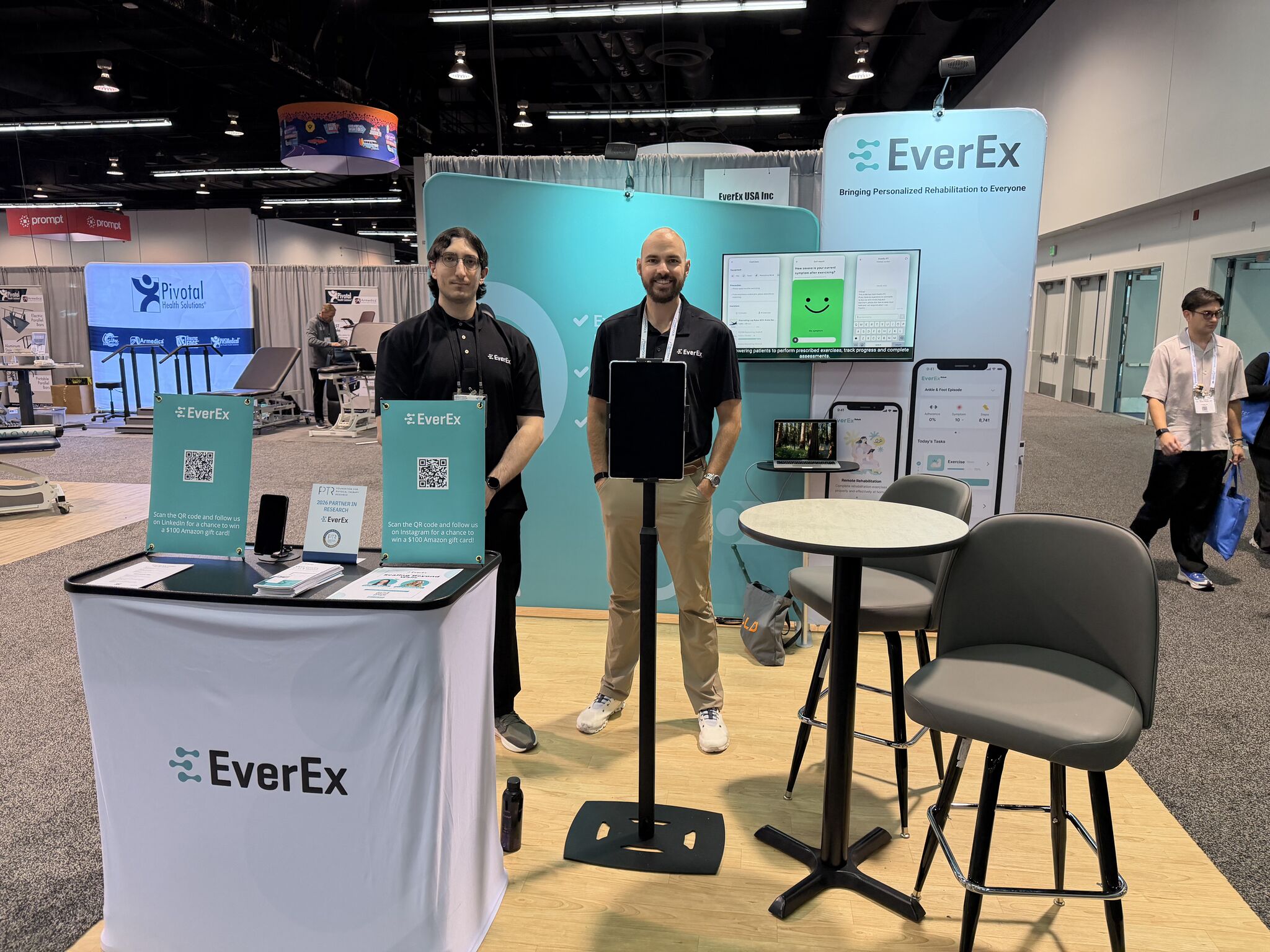
CSM confirmed what many practices already feel.
The clinics that will lead in the next phase of physical therapy are those that design engagement intentionally. Not incidentally.
They will:
At EverEx, we view RTM not as an add on, but as infrastructure. Infrastructure for continuity. Infrastructure for measurable engagement. Infrastructure that connects clinical quality to financial sustainability.
The opportunity ahead is not simply to adopt digital health.
It is to operationalize it in a way that strengthens care beyond the walls of the clinic.
That is the shift CSM made unmistakable.
And it is where the profession is heading.
Our latest news and trending topics