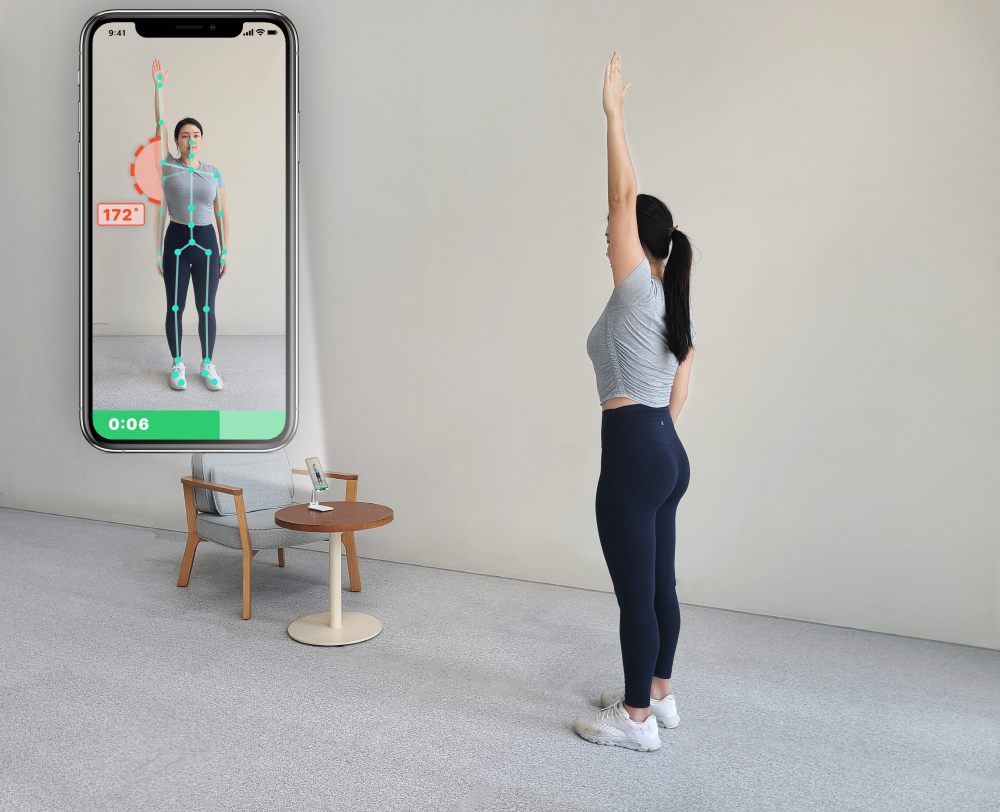
On-Demand Webinar
RTM Education | CMS Final Rule
Understand what CMS finalized for Remote Therapeutic Monitoring (RTM) in 2027, how the changes affect reimbursement and clinical workflows, and what healthcare providers can do to prepare for 2027 and beyond.
The Centers for Medicare & Medicaid Services (CMS) CY 2027 Medicare Physician Fee Schedule Final Rule introduces important changes to how Remote Therapeutic Monitoring (RTM) is delivered, staffed, and reimbursed. With several requirements taking effect January 1, 2027, and a significant clinical staffing restriction delayed until January 1, 2029, healthcare providers must understand how these developments affect their RTM programs.
In the second installment of our 2027 Physician Fee Schedule webinar series, recorded on November 18, 2026, Natesh Sood, Head of Business Operations at EverEx, and CJ Morrow, PT, DPT, Founder and Managing Director of CJM Strategic Consulting and quality and governance consultant for EverEx, break down the finalized policies and their implications for healthcare practices. The discussion is moderated by Joseph Giunta, Marketing Manager at EverEx.
The discussion explores patient eligibility, initiating visit requirements, reimbursement changes, outsourced monitoring, clinical coordination, and practical steps organizations can take to prepare for the evolving regulatory landscape.
Whether your organization currently offers RTM or is evaluating its implementation, this webinar provides a practical understanding of the finalized requirements and how healthcare providers can adapt their clinical and operational strategies.

Answers to common questions about Remote Therapeutic Monitoring under the CY 2027 Medicare Physician Fee Schedule Final Rule, based on the discussion with CJ Morrow and Natesh Sood.
Beginning January 1, 2027, CMS finalized established-patient requirements, a separately reportable initiating visit requirement, and changes to the valuation of certain remote monitoring services. The restriction involving contracted clinical staff was finalized with a delayed effective date of January 1, 2029.
CMS requires a qualifying face-to-face initiating visit associated with the start of RTM. As discussed in the webinar, the established-patient and initiating visit requirements may be satisfied during the same qualifying encounter, such as an appropriate physical therapy evaluation. Practices should confirm applicable billing and documentation requirements.
Yes. The restriction involving contracted clinical staff is delayed until January 1, 2029. Until then, practices may continue using contracted monitoring arrangements that satisfy applicable billing requirements. The webinar emphasizes the importance of billing practitioner involvement and coordination with monitoring partners.
CMS finalized valuation changes that reduce reimbursement for certain RTM setup and device supply services. Treatment management reimbursement remains comparatively stable for 2027. Practices should review updated Medicare fee schedules and evaluate how these changes affect their RTM programs.
No. CMS did not finalize the proposed bundled G-codes that would have replaced existing remote monitoring CPT codes. The agency retained stakeholder feedback for potential consideration in future rulemaking.
As discussed in the webinar, patients already receiving RTM before January 1, 2027, are not subject to the new initiating visit requirement for their existing monitoring services. Practices should maintain documentation demonstrating when RTM services began and confirm applicable CMS guidance.
Healthcare providers should review patient onboarding workflows, incorporate RTM discussions into qualifying clinical encounters, evaluate documentation practices, assess updated reimbursement rates, and clarify responsibilities with monitoring partners. Organizations should also prepare for future staffing requirements and monitor additional CMS guidance.
The finalized clinical staffing restriction concerns applicable clinical monitoring services rather than the purchase or use of third-party technology. Healthcare organizations may continue using external RTM software, devices, and technical support, subject to applicable requirements.
This webinar and its accompanying resources are provided for educational purposes and do not constitute legal, compliance, billing, or reimbursement advice. Healthcare providers should consult current CMS guidance, applicable payer requirements, and qualified compliance professionals.

Speaker
Natesh Sood
Head of Business Operations
EverEx
Natesh leads Business Operations at EverEx, working closely with healthcare practices as they integrate Remote Therapeutic Monitoring into their care delivery models. His work focuses on the operational aspects of RTM implementation, helping organizations navigate evolving reimbursement requirements, clinical workflows, and regulatory considerations.


Speaker
CJ Morrow, PT, DPT
Founder & Managing Director
CJM Strategic Consulting, LLC
CJ Morrow is the Founder and Managing Director of CJM Strategic Consulting, LLC and serves as a quality and governance consultant for EverEx. Her work focuses on regulatory, compliance, and governance considerations for healthcare technology and services, helping healthcare organizations translate complex policy developments into practical considerations.


Moderator
Joseph Giunta
Marketing Manager
EverEx
Joseph Giunta leads go-to-market (GTM) strategy and growth marketing initiatives for EverEx's U.S. business. His expertise spans demand generation, product positioning, brand strategy, integrated marketing campaigns, and data-driven customer acquisition. Working cross-functionally with executive leadership, sales, and product teams, Joseph translates market insights into actionable commercial strategies that drive business growth, strengthen competitive positioning, and accelerate the adoption of digital health solutions across the healthcare industry.

EverEx helps rehabilitation practices deliver digital home exercise programs, stay connected with patients between visits, and run RTM workflows that fit into day-to-day clinical operations.
Book a Demo