

February 6th, 2026
RTM Case Study: Growth Without Added Space or Staff
How an independent PT clinic used Remote Therapeutic Monitoring to expand patient capacity and grow revenue without adding overhead.
For many physical therapy clinics, growth has traditionally meant expansion.
More treatment rooms.
More clinicians.
More square footage.
For Vineyard Complementary Medicine (VCM), those options were not realistic.
Located on Martha’s Vineyard, the clinic operates within natural limits on space and staffing. Patient demand continued to rise, but the clinic footprint stayed the same. Growth was not a question of ambition. It was a question of feasibility.
The challenge was not whether the clinic could grow. It was how to deliver more effective care without adding physical capacity.
VCM built its reputation on high-quality, hands-on care. Appointments were consistently full, and patients were engaged during in-clinic visits.
What remained difficult was visibility between visits.
Like many physical therapy clinics, clinicians had limited insight into what happened once patients left the clinic. Pain levels, adherence, and changes in mobility often occurred days before the next appointment. Those gaps mattered.
Expanding the clinic was not an option. Hiring additional staff was difficult. Reducing visit frequency risked outcomes.
VCM needed a way to scale care without relying on more space, more staff, or more visits.
Remote Therapeutic Monitoring gave VCM a way to stay connected to patients between appointments while maintaining clinical oversight.
RTM allowed clinicians to track patient-reported data, monitor progress, and engage patients outside the clinic in a structured and intentional way. Care did not stop when an appointment ended.
This approach did not replace in-person treatment. It extended it.
Between visits became a visible and accountable part of the care process, guided by clinicians and supported by consistent data rather than assumptions.
With RTM in place, between-visit care became measurable instead of abstract.
Patients used a mobile app to engage with their plan of care, report symptoms, and stay connected outside the clinic. Clinicians reviewed this information regularly and used it to inform follow-ups and treatment decisions.
Engagement levels were clear.
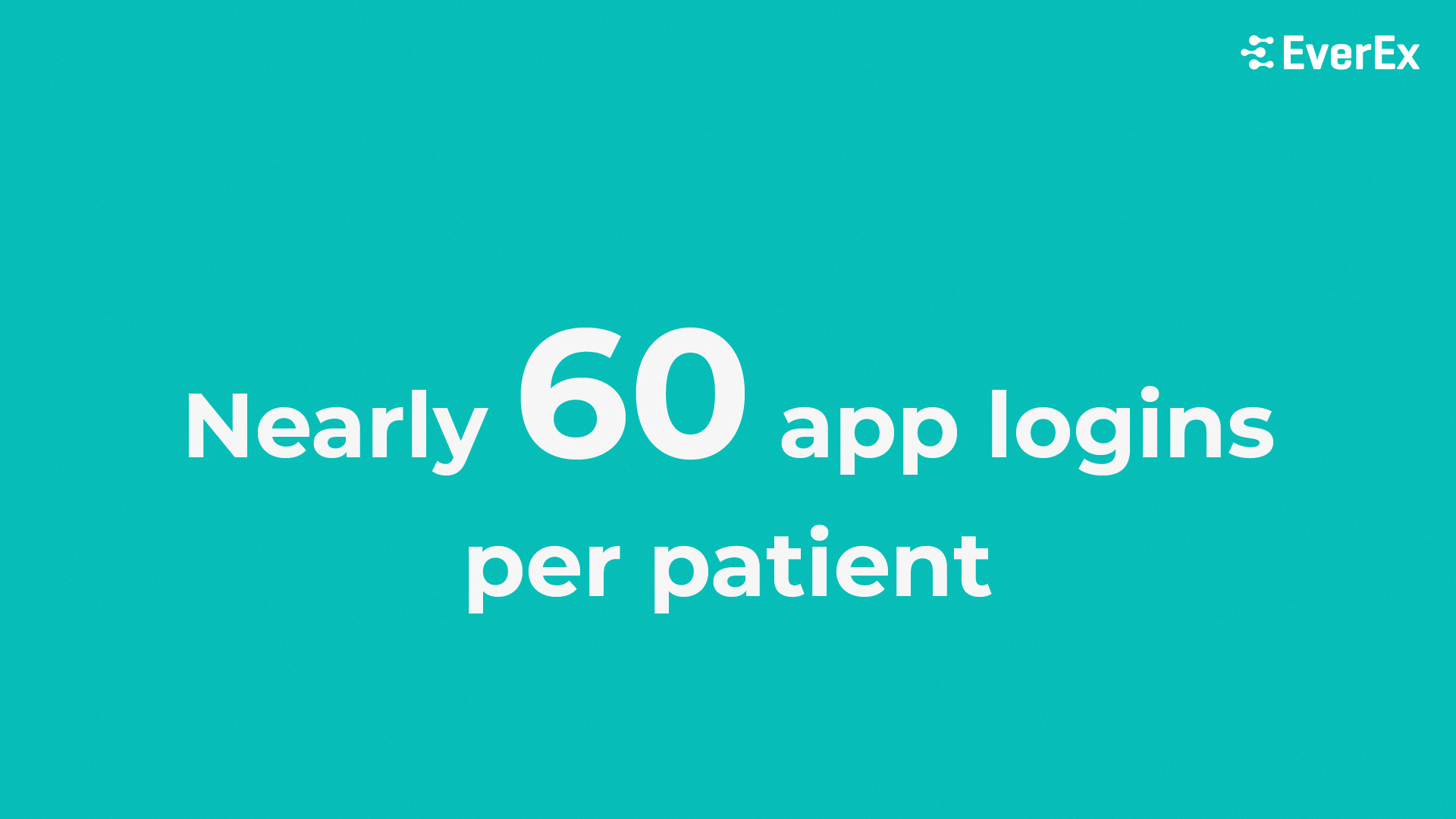
Across their episode of care, patients averaged nearly 60 app logins per patient, reflecting consistent participation between visits. Over time, clinicians also observed meaningful improvements in pain and range of motion.
RTM transformed engagement from a hope into an active part of care delivery.
RTM did not add complexity. It added visibility.
Clinicians gained earlier insight into patient progress and potential barriers to recovery. In-clinic visits became more focused because conversations were informed by what happened between appointments.
Care felt continuous rather than episodic.
For a clinic with fixed space and staffing, RTM unlocked a different kind of capacity. Not more rooms. Not more hires. Better use of existing clinical time and expertise.
VCM’s experience reflects a broader shift in physical therapy.
RTM is not about doing more with less. It is about staying connected to patients when it matters most.
Clinics facing space constraints, staffing challenges, or rising demand can use RTM to extend care beyond visits while maintaining clinical quality and accountability. Technology alone does not drive outcomes. Structured workflows and active clinician involvement do.
VCM’s growth was not defined by location. It was defined by approach.
By using Remote Therapeutic Monitoring to support care between visits, the clinic expanded its impact without expanding its footprint.
For practices exploring how RTM can improve engagement, support better outcomes, and create sustainable growth without adding space or staff, this experience offers a practical example worth examining more closely. Read more EverEx client success stories.
Our latest news and trending topics