Improve patient outcomes. Grow clinical revenue.Request a Demo →

Webinar

RTM Education

RTM 101: How RTM Fits into PT Workflows

A beginner-friendly walkthrough of Remote Therapeutic Monitoring, what it is, how it fits into PT workflows, billing basics, and how to implement RTM without overcomplicating the day-to-day.

About this webinar

Whether you're new to Remote Therapeutic Monitoring or exploring how it fits into your clinic, this session breaks down the essentials in a clear, practical way.

In this beginner-friendly webinar, Diana Diep, PT, DPT and Ellen Morello, PT, DPT walk through the basics of Remote Therapeutic Monitoring, how RTM differs from a traditional home exercise program, what clinics need to know about billing, and how RTM can be implemented without overcomplicating the day-to-day workflow.

In this session, we cover:

If you're considering RTM for your practice, this session offers a clear starting point for understanding the model, the technology, and the path to implementation.

Frequently asked questions

Quick answers to the questions physical therapy teams asked most during RTM 101.

What is remote therapeutic monitoring (RTM) in physical therapy?

RTM lets a physical therapy practice monitor how patients are doing with their home exercise program between visits. Patients use a digital platform to complete exercises and report how they feel, and the care team reviews that data and communicates with them. Medicare recognizes this work with a set of RTM CPT codes.

Which RTM CPT codes were covered in this webinar?

The session covered six codes: 98975 for initial setup and patient education, 98985 and 98977 for musculoskeletal monitoring based on how many days of data are collected in a 30-day period (2 to 15 days and 16 to 30 days), and 98979, 98980 and 98981 for treatment management time each calendar month. These reflect the code set in effect when the webinar was recorded in 2026.

How is RTM different from a standard home exercise program?

A standard home exercise program is usually a handout or app the patient uses on their own. RTM adds two-way communication, objective data on whether and how patients are completing their exercises, and regular review by the care team, which gives patients more accountability between visits.

What workflow models can a practice use to run RTM?

The speakers described three common models: a practice that uses RTM software and manages monitoring with its own clinicians, a practice that pairs the software with a dedicated RTM coordinator, and a practice that outsources monitoring to a partner. The right fit depends on staffing, patient volume and how much time clinicians can give to RTM.

What does RTM cost the patient?

For Medicare patients, RTM is a covered benefit and the usual coinsurance applies. Commercial coverage varies by plan, so practices should verify benefits and explain any cost to the patient before enrolling them.

Can the monthly interactive communication happen during an in-person visit?

Yes. Treatment management codes require a live, interactive communication with the patient each month, and that can happen in person. The same minutes cannot be counted toward both RTM and other timed codes billed that day.

What happens to RTM when a patient is discharged?

Patients may keep access to their exercise program after discharge, but RTM monitoring and billing stop. For Medicare patients, RTM services need to be furnished under an open plan of care.

Billing and coverage details reflect what was discussed at the time of recording and are educational only, not billing or legal advice. RTM codes and requirements change. Confirm current rules with CMS, your Medicare Administrative Contractor and each payer before billing. For changes taking effect in 2027, see the link below.

Watch the CY 2027 Final Rule webinar

Speakers

Diana Diep

Diana Diep PT, DPT

Clinical Program Manager

EverEx

Diana brings hands-on clinical experience in outpatient orthopedics and a passion for patient engagement. She leads EverEx's clinical programs and helps practices implement RTM workflows that actually stick, from onboarding through billing.

LinkedIn
Ellen Morello

Ellen Morello, PT, DPT

President

EverEx

Ellen is a physical therapist and President at EverEx, helping practices implement Remote Therapeutic Monitoring to improve patient engagement, extend care beyond visits, and create scalable operational workflows.

Ellen Morello on LinkedIn

Moderator

Joseph Giunta, Marketing Manager at EverEx

Joseph Giunta

Marketing Manager

EverEx

Joseph Giunta leads go-to-market (GTM) strategy and growth marketing initiatives for EverEx's U.S. business. His expertise spans demand generation, product positioning, brand strategy, integrated marketing campaigns, and data-driven customer acquisition. Working cross-functionally with executive leadership, sales, and product teams, Joseph translates market insights into actionable commercial strategies that drive business growth, strengthen competitive positioning, and accelerate the adoption of digital health solutions across the healthcare industry.

Joseph Giunta on LinkedIn
PROVEN IMPACT

Real Results from Clinics Using EverEx

From paper notes to measurable patient outcomes — EverEx's RTM platform delivers clinically meaningful results and recurring revenue for your practice.

Book a Demo
1,553
workouts completed
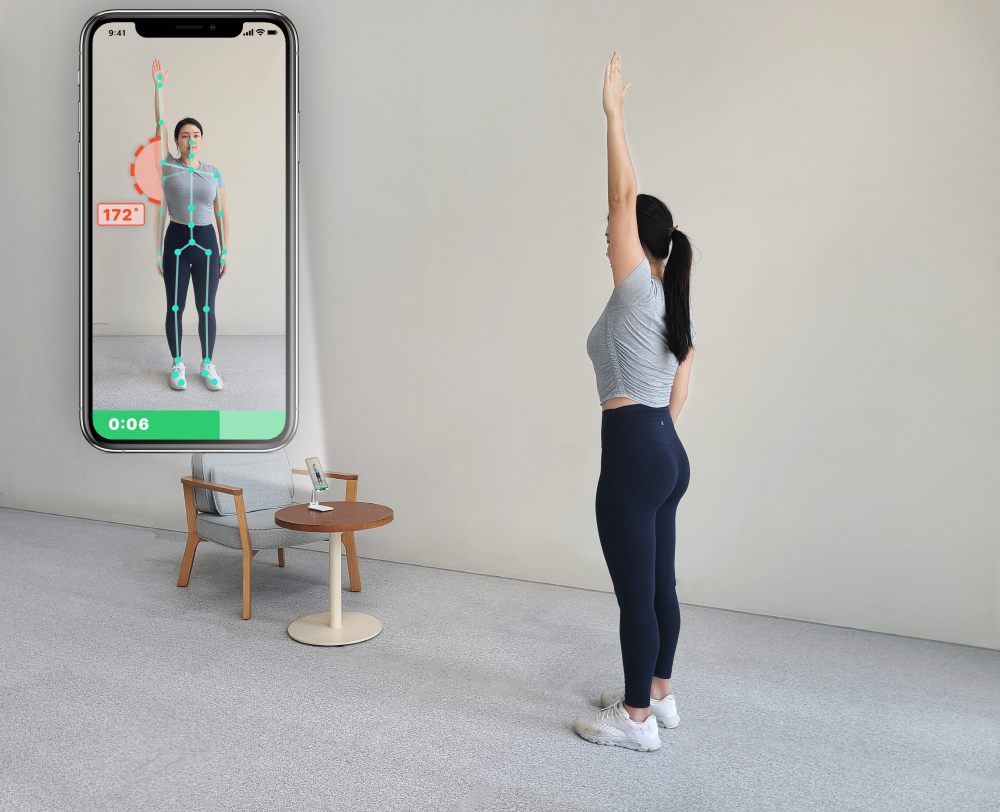
Patient raising an arm while the EverEx app on a smartphone tracks shoulder range of motion with computer vision
$14,468
recurring revenue
2.62pt
avg pain reduction