

August 31st, 2026
EverEx at the 2026 TORCH/TARHC Fall Conference
EverEx joined the 2026 TORCH/TARHC Fall Conference in Round Rock, Texas to explore how RTM and digital health can support connected rural care.
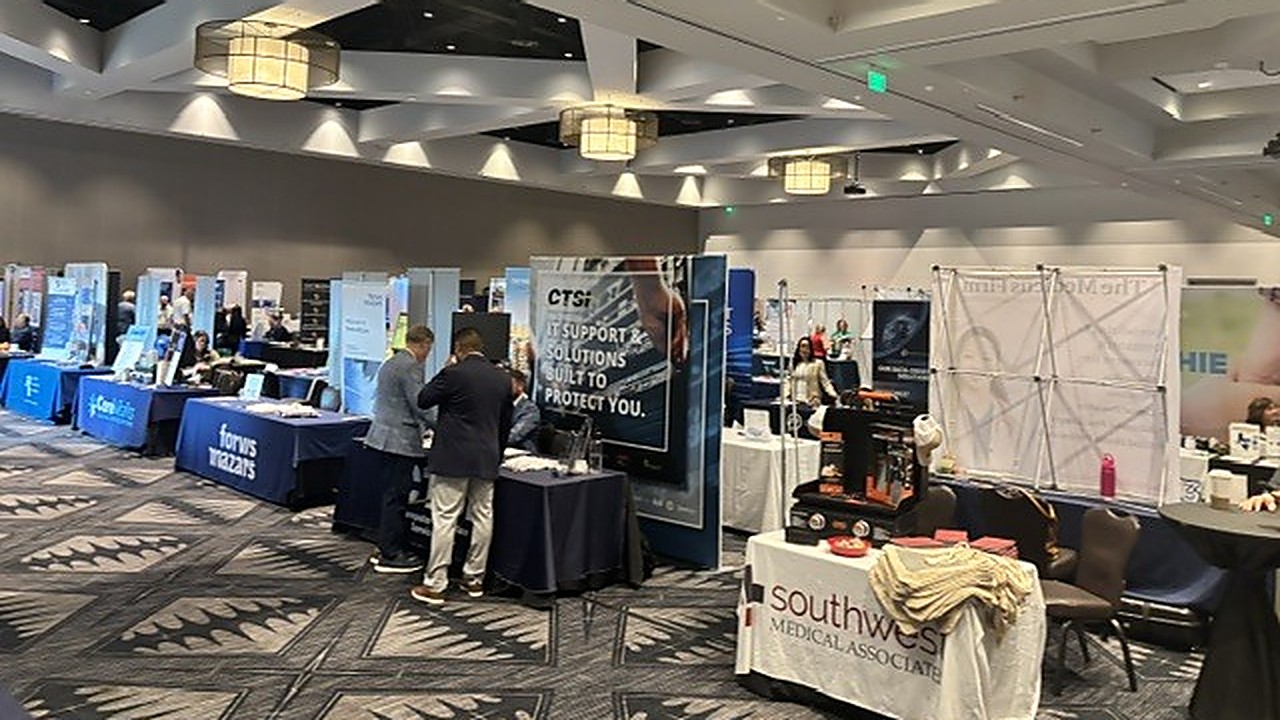
From August 24–27, 2026, EverEx joined rural and community healthcare leaders from across Texas at the 2026 TORCH/TARHC Fall Conference & Tradeshow at the Kalahari Resort & Convention Center in Round Rock, Texas.
The conference brought together rural hospitals, Rural Health Clinics, healthcare leaders, clinicians, and technology partners focused on strengthening healthcare delivery across rural communities. The tradeshow itself sold out, highlighting the level of interest surrounding the challenges and opportunities facing rural healthcare today.
For EverEx, attending the conference was an opportunity to be part of a larger conversation about how technology can help healthcare organizations stay connected with patients beyond a traditional in-person encounter.
Rural healthcare organizations operate in environments where access, staffing, geography, and resources can make delivering continuous care more difficult.
Rural Health Clinics play an important role in the healthcare infrastructure serving communities where patients may have fewer options for accessing care. For these organizations, finding ways to extend the reach of existing care teams while maintaining a strong connection with patients is increasingly important.
Technology cannot solve every rural healthcare challenge. It can, however, help create additional ways for patients and care teams to remain connected when care extends beyond the walls of a hospital or clinic.
For rural communities, the distance between the patient and the healthcare organization can be much greater than the distance between appointments on a calendar.
Patients may leave an appointment with a treatment plan, exercises, education, or instructions to follow at home. What happens after that visit can have an important impact on the course of their care.
Digital health tools can help create greater continuity between those encounters by giving patients structured ways to engage with their care plan while providing clinicians with additional visibility into what is happening outside the clinic.
Depending on the care model, this can include:
The goal is not to replace in-person healthcare. It is to make the time between visits more connected.
That concept becomes especially relevant when healthcare organizations serve patients across large geographic areas or communities where frequent trips back to the clinic may not always be practical.
Remote Therapeutic Monitoring (RTM) provides a structured framework for monitoring certain aspects of a patient’s therapy and treatment outside the traditional clinic environment.
For rehabilitation and musculoskeletal care, RTM can give clinicians greater insight into areas such as therapeutic exercise adherence, patient-reported symptoms, function, and progress between visits.
For organizations that are still becoming familiar with how RTM works, EverEx’s RTM 101: What Every PT Practice Owner Should Know provides an introduction to RTM, including its workflows, monitoring opportunities, and role in care between visits.
That visibility can help change the traditional pattern of care. Instead of waiting until the next appointment to learn how a patient has been doing, clinicians can have additional information available throughout the recovery process.
For a rural patient who may live farther from their provider, that connection can be particularly meaningful. Digital engagement gives the care team another way to support the patient without assuming every interaction must happen inside a treatment room.
No. Remote Therapeutic Monitoring is not limited to physical therapy.
RTM can also have applications within physician-led care, including orthopedic and musculoskeletal care models where understanding a patient’s therapeutic response between visits can provide additional visibility into recovery.
For a deeper look at how physician practices can approach RTM, read our Remote Therapeutic Monitoring for Physicians: 2026 RTM Guide, which explores RTM eligibility, RTM versus RPM, Medicare billing codes, and potential applications for orthopedic and physician practices.
This becomes particularly relevant for rural and community healthcare organizations that may provide multiple levels of care across hospitals, physician practices, outpatient departments, rehabilitation services, and Rural Health Clinics.
Rather than viewing remote monitoring exclusively through the lens of one specialty, healthcare organizations can consider where connected care may fit within the broader patient journey.
Remote care policy continues to evolve.
CMS has proposed several changes affecting Remote Therapeutic Monitoring and Remote Physiologic Monitoring as part of the Calendar Year 2027 Medicare Physician Fee Schedule Proposed Rule.
Among the proposed changes are new requirements involving established patients, initiating visits, staffing arrangements, and the valuation and structure of remote monitoring services.
These proposals are not limited to physical therapists. They could affect physician, physical therapy, occupational therapy, and other healthcare practices billing Medicare for remote monitoring.
Healthcare organizations evaluating remote monitoring should understand both current RTM requirements and where Medicare policy may be heading. Our 2027 CMS Proposed Rule: What Healthcare Practices Need to Know About Remote Therapeutic Monitoring breaks down the proposed changes and what practices should be watching.
As remote care evolves, understanding how these models fit into clinical workflow, reimbursement requirements, staffing, and the patient experience will become increasingly important for healthcare organizations evaluating their digital health strategy.
One of the ideas we continue to focus on at EverEx is straightforward: patient care does not stop when the appointment ends.
Recovery happens at home. Adherence happens at home. Symptoms change at home. Questions come up at home.
For care teams, the challenge is finding a practical way to maintain visibility into that part of the patient journey without creating unnecessary complexity for either the clinician or the patient.
EverEx is designed around that connection between the clinic and the patient’s everyday recovery. Through Remote Therapeutic Monitoring and digital patient engagement, healthcare organizations can create a more structured approach to supporting patients between visits while keeping the clinician at the center of care.
For rural healthcare organizations, this creates an opportunity to think differently about what access means.
Access is not only about whether a patient can get through the clinic door. It is also about how effectively the care team can continue supporting that patient once they walk back out of it.
Our time at the 2026 TORCH/TARHC Fall Conference reinforced why conversations around rural healthcare innovation matter.
The future of rural healthcare will require more than simply introducing new technology. Solutions need to fit into real clinical environments, address real patient needs, and support the healthcare professionals already doing the work.
That means digital health should complement the clinician rather than compete with them. It should strengthen communication rather than create another disconnected system. And it should help extend the reach of care without losing the human relationship at the center of healthcare.
As remote monitoring, digital health, and hybrid models of care continue to develop, we are excited to keep working with healthcare leaders exploring how technology can help create a more connected patient experience.
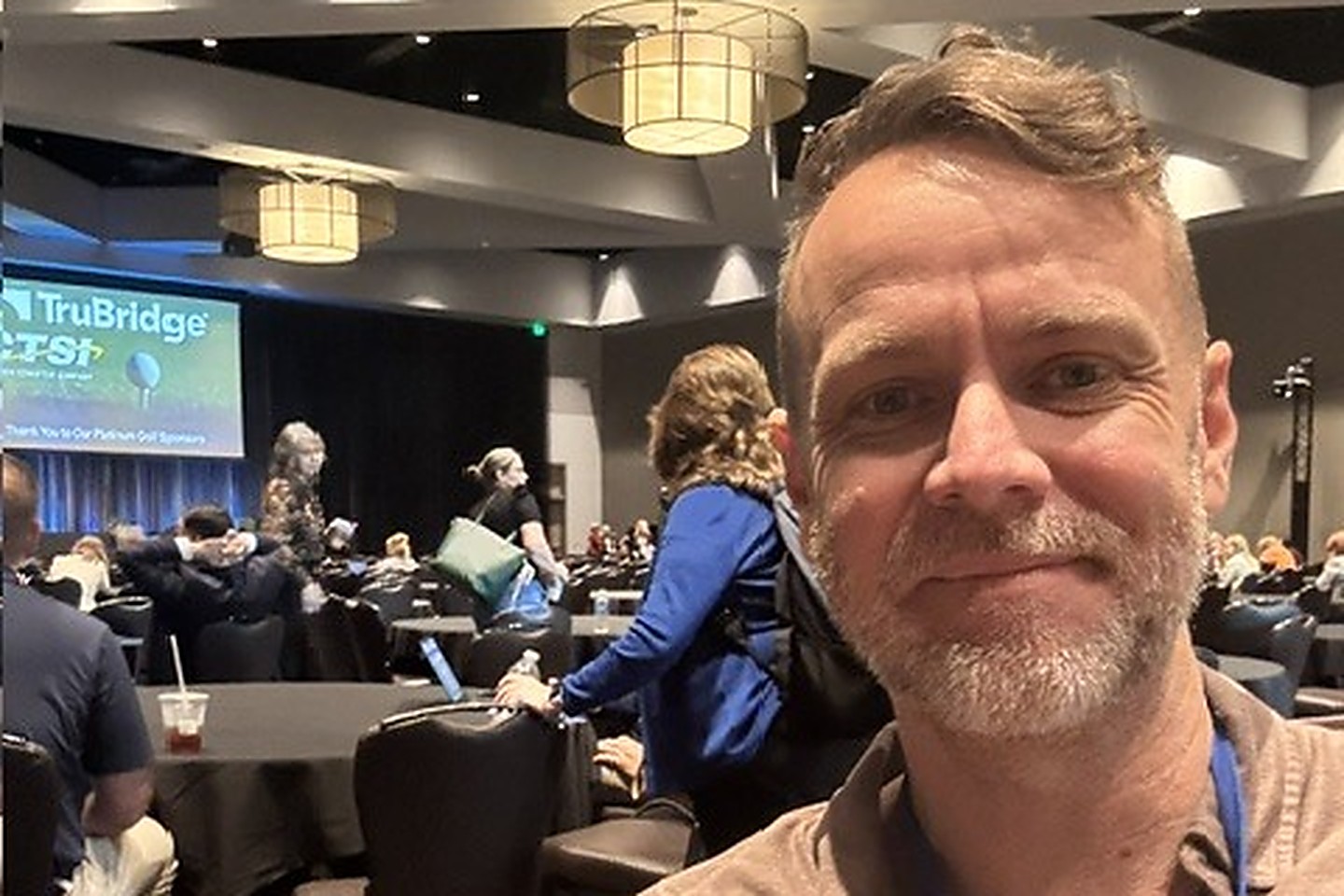
Thank you to TORCH, TARHC, and everyone who helped bring the 2026 Fall Conference together in Round Rock. We appreciated the opportunity to join the rural healthcare community and be part of the conversation around what comes next.
The TORCH/TARHC Fall Conference & Tradeshow brings together rural hospitals, Rural Health Clinics, healthcare professionals, and industry partners from across Texas. The 2026 conference was held August 24–27 at the Kalahari Resort & Convention Center in Round Rock, Texas.
Remote Therapeutic Monitoring is a form of remote monitoring focused on non-physiological therapeutic data. In rehabilitation and musculoskeletal care, it can support monitoring of areas such as therapy adherence, patient-reported symptoms, and response to treatment between visits.
Digital health can give rural healthcare organizations additional ways to communicate with and monitor patients between in-person encounters. It does not replace hands-on or in-person care, but it can help extend elements of the care experience beyond the physical clinic.
No. RTM is not exclusive to physical therapy. Depending on applicable Medicare requirements and the clinical use case, RTM can also be used by physicians and other eligible healthcare professionals, including within musculoskeletal and orthopedic care.
The appropriate use of RTM depends on the patient population, clinical services, workflow, payer requirements, and applicable billing rules. Organizations considering RTM should evaluate both the clinical use case and how remote monitoring can be incorporated into existing care delivery rather than treating it as a standalone technology.
CMS has proposed changes to RTM and RPM for Calendar Year 2027 involving established patients, initiating visits, staffing, reimbursement valuation, and potentially the structure of remote monitoring codes. These changes remain proposals until CMS publishes its final rule.
If your organization is thinking about how to stay connected with patients between visits, the fastest way to judge fit is to see the workflow against your own patient scenarios. Request a demo, or try the RTM revenue calculator to estimate the impact on your practice.
This article is intended for educational purposes only and does not constitute medical, legal, billing, or compliance advice. Medicare requirements and reimbursement policies may change. Organizations should review current CMS guidance and consult qualified billing, compliance, or legal professionals when appropriate.
Our latest news and trending topics